
Introduction
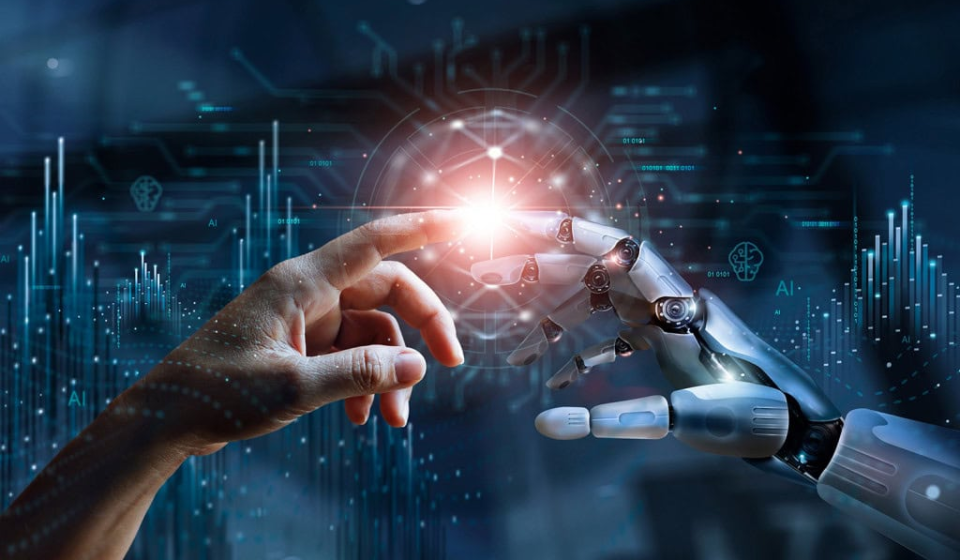
Technology has become the driving force behind progress in the modern world. It influences how people communicate, learn, work, travel, shop, and entertain themselves. Over the past few decades, technological innovation has accelerated at an incredible pace, transforming industries and creating opportunities that were once unimaginable. From smartphones and cloud computing to artificial intelligence and renewable energy, technology continues to improve the quality of life while solving complex global challenges.
Today, technology is no longer limited to computers or electronic devices. It is integrated into healthcare, agriculture, manufacturing, transportation, education, finance, and countless other sectors. As digital transformation continues, understanding technology has become essential for students, professionals, entrepreneurs, and organizations seeking to remain competitive in an increasingly connected world.
Understanding Technology
Technology refers to the practical application of scientific knowledge to create tools, machines, systems, and processes that solve problems or improve efficiency. It combines innovation, engineering, and research to develop solutions that make tasks easier, faster, and more accurate.
Technology has evolved from simple mechanical inventions to advanced digital systems capable of processing enormous amounts of information within seconds. Modern innovations continue to reshape industries while creating new possibilities for economic growth and scientific discovery.
The Importance of Technology
Technology plays a significant role in improving productivity, communication, healthcare, education, and economic development. It enables businesses to operate more efficiently and allows individuals to access information instantly from almost anywhere.
Some of the major benefits of technology include:
- Enhancing communication through digital platforms.
- Increasing workplace productivity.
- Supporting innovation and entrepreneurship.
- Improving healthcare services and medical research.
- Expanding educational opportunities.
- Simplifying financial transactions.
- Strengthening transportation systems.
- Encouraging scientific discoveries and technological breakthroughs.
Technology has become one of the primary factors driving global competitiveness and sustainable development.
Major Types of Technology
Technology exists in many specialized fields, each serving different purposes.
Information Technology
Information technology focuses on computer systems, software, databases, cloud services, and networking. Organizations use IT to manage information securely and improve daily operations.
Communication Technology
Communication technology includes smartphones, internet services, messaging applications, video conferencing platforms, and satellite communication systems. These tools allow people to connect across the globe in real time.
Medical Technology
Medical technology improves patient care through advanced diagnostic equipment, robotic surgery, wearable health monitors, electronic medical records, and telemedicine services. These innovations contribute to better treatment outcomes and more efficient healthcare systems.
Industrial Technology
Industrial technology uses automation, robotics, artificial intelligence, and advanced machinery to improve manufacturing efficiency and product quality. Smart factories rely on connected systems to monitor production and reduce operational costs.
Environmental Technology
Environmental technology focuses on renewable energy, recycling systems, waste management, electric vehicles, and energy-efficient solutions that help protect natural resources and reduce pollution.
Technology in Education
Technology has revolutionized education by making learning more accessible and interactive. Students can attend virtual classrooms, complete online courses, participate in educational simulations, and collaborate with classmates regardless of location.
Teachers use digital tools to create engaging lessons through videos, interactive presentations, and online assessments. Artificial intelligence also supports personalized learning by recommending educational content based on each student’s strengths and learning pace.
Educational technology helps reduce geographical barriers and expands access to quality education for learners around the world.
Technology in Healthcare
Healthcare has experienced remarkable improvements through technological innovation.
Modern hospitals use advanced imaging systems, robotic surgical equipment, artificial intelligence, and digital patient records to improve diagnosis and treatment. Telemedicine enables patients to consult healthcare professionals remotely, increasing access to medical services in rural and underserved areas.
Wearable devices such as fitness trackers and smartwatches monitor heart rate, sleep quality, physical activity, and other health indicators, encouraging preventive healthcare and healthier lifestyles.
Technology in Business
Businesses rely heavily on technology to improve efficiency, customer satisfaction, and profitability.
Cloud computing enables secure data storage and remote collaboration. Artificial intelligence analyzes customer behavior, predicts market trends, and automates repetitive tasks. Customer relationship management software strengthens communication between businesses and clients.
Digital marketing, social media, and e-commerce platforms allow companies to reach global audiences while reducing traditional advertising costs. Technology also improves inventory management, financial reporting, and supply chain operations.
Emerging Technologies
Several emerging technologies are expected to shape the future.
Artificial intelligence continues to automate complex tasks and support decision-making across industries. Machine learning helps systems improve through experience without requiring constant programming.
The Internet of Things connects everyday devices through the internet, enabling smart homes, intelligent transportation systems, and connected manufacturing facilities.
Blockchain technology improves transaction security and transparency in finance, logistics, and digital identity management.
Quantum computing has the potential to solve scientific and mathematical problems beyond the capabilities of today’s most powerful computers.
Challenges Associated with Technology
Although technology provides many advantages, it also creates important challenges.
Cybersecurity threats continue to increase as businesses and governments store larger amounts of sensitive information online. Organizations must invest in advanced security systems to protect digital assets.
Privacy concerns have become more significant as digital platforms collect personal information. Responsible data handling and transparent privacy policies are essential.
Other challenges include:
- The digital divide between connected and underserved communities.
- Job displacement caused by automation.
- Electronic waste management.
- Online misinformation.
- Ethical questions surrounding artificial intelligence.
- Increased dependence on digital devices.
Addressing these issues requires collaboration among governments, businesses, educational institutions, and technology developers.
Tips for Using Technology Wisely
Individuals can maximize the benefits of technology while minimizing risks by following responsible practices.
Some useful recommendations include:
- Keep software and devices updated regularly.
- Use strong passwords and multi-factor authentication.
- Verify information before sharing it online.
- Balance screen time with physical activities.
- Continue learning new digital skills.
- Protect personal information when using online services.
- Practice responsible use of social media.
Developing digital literacy helps individuals safely navigate today’s increasingly connected world.
The Future of Technology
The future of technology promises exciting innovations that will further transform society.
Artificial intelligence will continue improving productivity, healthcare, education, and scientific research. Renewable energy technologies will support environmental sustainability through cleaner energy production.
Autonomous vehicles, smart cities, advanced robotics, and immersive virtual reality experiences are expected to become increasingly common. Personalized digital services will improve customer experiences across industries.
As technology evolves, human creativity, ethical decision-making, and continuous education will remain essential for ensuring that innovation benefits society as a whole.
Conclusion
Technology has fundamentally changed the way people live, communicate, work, and learn. Its influence extends across every major industry, driving innovation, improving efficiency, and creating new opportunities for economic and social development.
While technological progress presents challenges such as cybersecurity, privacy, and digital inequality, its overall impact continues to be overwhelmingly positive. By embracing responsible innovation, investing in education, and developing digital skills, individuals and organizations can harness the full potential of technology and help shape a smarter, more connected, and more sustainable future.